No weakness or character flaw, postpartum depression often goes undiagnosed or is misunderstood. Many mothers worldwide are coping with the crushing symptoms of this uphill battle without getting the needed supports, and end up blaming themselves for failing in their maternal responsibilities. PMC Alor Setar reaches out with hope and help, debunking some core misconceptions in the process.

Postpartum depression presents with cycles of emotional highs and lows, crying, lethargy, and guilt.
POSTPARTUM DEPRESSION AFTER BIRTH
Known by its other name as peripartum depression, postpartum depression afflicts mothers who’ve just had a baby. From joy and jubilation to fear and frustration, welcoming a newborn could open the door to a whole range of raw emotions. While it’s far from uncommon to feel overwhelmed or deeply fatigued due to nursing, disrupted sleep cycles, and altered routines, the period after pregnancy and delivery hits differently for some. Interestingly, it is believed that postpartum depression affects up to 15% of women. There are those whose symptoms start prior to childbirth. This is termed perinatal depression. Often, sufferers don’t even realise it’s happening or why they feel the opposite of excited.
Signs and Simptoms During Motherhood
In its most basic form, postpartum depression presents with indicators like emotional highs and lows, frequent or excessive crying, lethargy, guilt, and anxiety. Occurring as early as the first few days after giving birth, and lasting anywhere between a few weeks and several months—or up to a year (where a support system is lacking), such a situation is potentially harmful to and poses challenges for the mother and infant in her care. In rarer cases still, it is the other parent who experiences these symptoms, meaning even a father could be dealing with postpartum depression after a baby comes. Even surrogates and adoptive parents have been known to encounter similar bouts without warning.
However, the condition is most prevalent among females faced with motherhood, whether the child was planned for and desired in earnest. These extreme mood swings are inclusive of tendencies such as devastation; noticeable changes in appetite; weight loss or gain; insomnia (or, in certain cases, hyper-insomnia); despondence; detachment; absence (totally switching off physically, psychologically, mentally, and emotionally); low energy; irritability; loneliness; and weeping episodes, among others. There is another issue, postpartum baby blues, which manifests with matching displays but lasts for a shorter period (up to two weeks) before it passes. Postpartum depression is the more severe version.

Though symptoms can last for months, treatment with psychotherapy or antidepressants is effective.
The Potential of Baby Blues or Psychosis
While the “baby blues” tend to subside without treatment and before too much time has gone by, its more long-term counterpart may call for the intervention of a healthcare provider or professional like an obstetrics and gynaecology specialist. For instance, where there is the inability of a mother to take care of her baby after giving birth, a targeted diagnosis and counselling will go a long way. In extreme scenarios, the doctor may decide on a prescription of medication to help keep the irregularities at bay. Though symptoms can last several months, treatment with psychotherapy or antidepressants is effective. Thus, postpartum depression is no diseases, form of dysfunction, or any reason to give up.
When it gets to a stage where emergency medical attention is required, then the situation would’ve escalated to postpartum psychosis, which is a critical development. With this category of patients, which affects one in a thousand women, standout symptoms include hopelessness, shame, paranoia, rapid speech, mania, agitation, confusion, hyperactivity, delusions, and hallucinations. Unsurprisingly, there is an increased risk of suicide and harm to the baby, which is why ample guidance, support, and help are needed from trained professionals. Otherwise, the issues accompanying this threat to health can get to a tremendously hazardous state. Preventive measures exist to relieve such complications.
Comprehending The Contributing Factors
There are several triggers that can heighten the possibility of postpartum depression in new mums or one on her second or third baby. A personal or family history of clinical or peripartum depression, or even premenstrual dysphoric disorder (PMDD struggles: bloating, headaches, or breast tenderness) are some examples. Others include limited social support, conflict in a marriage or relationship, an unplanned pregnancy, young age (below 20), carrying a child as a single parent, or having an infant born with special needs or one that cries a lot. Even ambivalence about the pregnancy may be a cause. Uncertainty, a lack of preparedness, or having to navigate parenthood alone are key stressors.
There are hotlines available for pregnant mothers to call and receive assistance and interventions. Furthermore, Putra Medical Centre provides a similar offering which is accessible 24 hours a day and seven days a week. There are doctors and other support staff members who are on the ready to lend a helping hand to expectant women or postpartum mothers in distress. One might contact the hospital to secure an appointment with a PMC obstetrician and gynaecologist (OBGYN services and specialists). If the situation is dire, with the mother’s dilemma continuing to deepen, swift action must follow without delay. The sooner a sufferer sees a doctor or a physician, the better her chances.
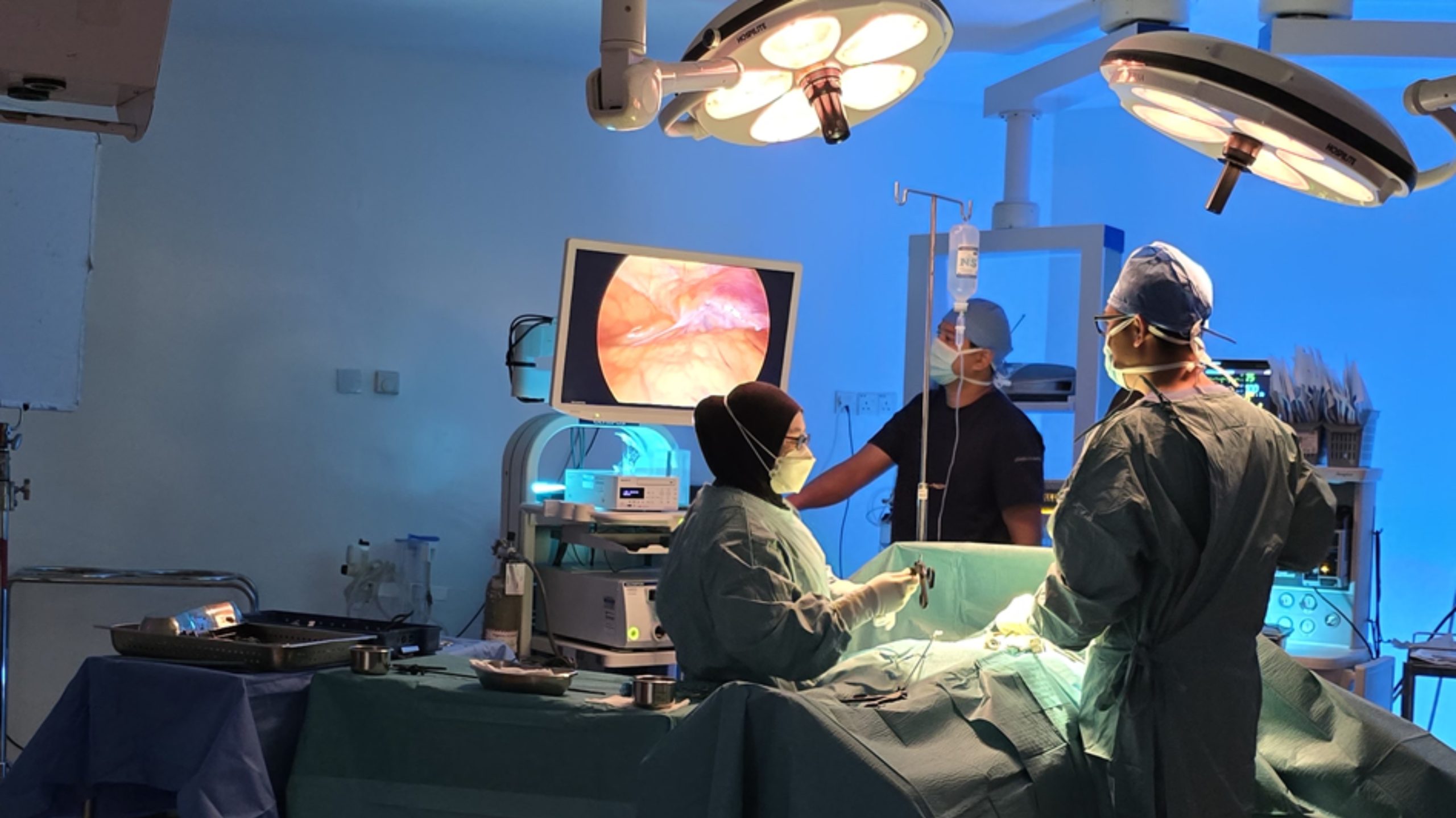
There are doctors and other support staff members always on the ready to lend one a helping hand.
Keep Calm and Seek Medical Help
Hormonal changes are another area to ponder. Progesterone and estrogen levels drop significantly after a baby is born. A mum’s trouble bonding with her child or recurring panic attacks post-delivery could point to the above. Whatever the circumstance, it’s not the end of the world for families adapting to a changing home environment where a new baby has emerged. Caring for and raising a baby from birth is no walk in the park. It is a huge undertaking and responsibility for any parent even on a normal day. So, where there may be additional hurdles, the key is keeping calm and getting help fast. Putra Medical Centre Alor Setar runs on passion and compassion; mums and babies are beloved.
For further details, visit our official social media: