Skip to content

Guidelines for Safe Medication Intake During Fasting

After observing fasting during the month of Ramadan, some individuals continue the practice of voluntary fasting in the month of Syawal. In such cases, health management and medication intake should be given attention, especially for those with chronic illnesses or those undergoing medical treatment.

According to Dr. Chew Chang Eek, an Internal Medicine Consultant at Putra Medical Centre, Alor Setar, many of his patients face the same challenges in adjusting their medication schedules during fasting. He emphasizes the importance of consulting a doctor before fasting to ensure that treatment can continue safely. Dr. Chew also advises patients not to stop or change their medication dosages on their own, as this can negatively impact their health. With proper planning, medication schedules can be adjusted to ensure that treatment remains effective without interfering with the fasting practice.

Guidelines for Medication Intake During Fasting

For individuals undergoing medical treatment, including diabetes patients, proper medication management is essential to ensure health is not compromised. Here are some important guidelines:

  1. Adjusting Medication Timing – Medication can be taken during meal times, such as during sahur and iftar. Doctors will help adjust the schedule and dosage of medication according to the patient’s needs.
  2. Health Monitoring –Many patients face issues with blood sugar imbalance while fasting. Therefore, regular monitoring is crucial, especially for diabetic patients. If blood sugar levels become too low or too high, appropriate action needs to be taken to prevent complications. Please seek your doctor’s advice on the right times for blood sugar monitoring.
  3. Consult A Medical Specialist – Never stop or alter your medication dosage without a doctor’s advice. Check-ups and consultations with your doctor will help ensure that treatment continues smoothly while fasting and reduce the risk of fasting-related complications such as hypoglycemia (low blood sugar) or diabetic ketoacidosis (extremely high blood sugar and acidic blood), which can be life-threatening.

With proper planning and diligent health monitoring, individuals wishing to fast voluntarily can continue this practice without compromising their health.

For further details, visit our official social media:

Loading

Continue Reading

More from our healthcare experts.

View all
July, 2026

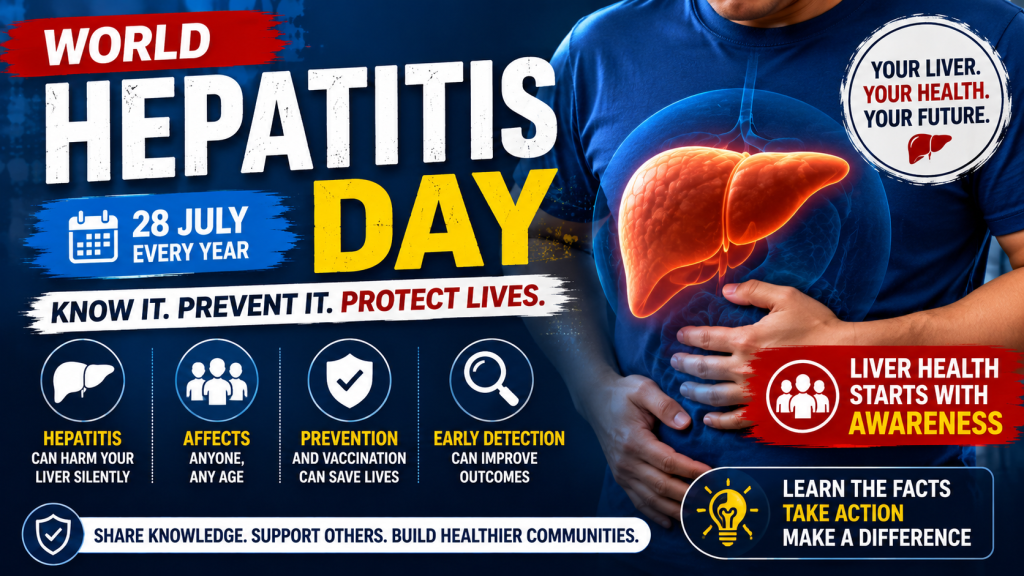
World Hepatitis Day: Understanding Hepatitis and Supporting Liver Health

World Hepatitis Day raises awareness about viral hepatitis and the importance of protecting liver health. Many people with hepatitis may not experience symptoms in the early stages, making awareness, prevention, and early detection especially important. Learn about hepatitis, common misconceptions, practical ways to support liver health, and how informed healthcare decisions can help build healthier communities.

Read More
July, 2026

World Brain Day 2026: Why Brain Health Matters at Every Age

World Brain Day 2026 highlights the importance of protecting brain health throughout every stage of life. From childhood to older adulthood, healthy lifestyle habits, early awareness, and regular health check-ups can help support overall cognitive well-being. Learn about common neurological conditions, practical ways to care for your brain, and why increasing public awareness is essential for building healthier communities.

Read More
July, 2026

PMCK Berhad Appreciates the Invitation Extended to Dr. Lee Ling Hui, Director of Compliance & Sustainability

PMCK Berhad is honoured by the invitation extended to Dr. Lee Ling Hui, Director of Compliance & Sustainability, to serve as a Scientific Committee Member for the 1st International Conference on Climate Change and Sustainability (ICCCS) 2026. This appointment reflects recognition of Dr. Lee Ling Hui’s professional expertise and contributions to the academic & community.

Read More
June, 2026

Get back In The Game: Understanding Sports Injuries and Recovery

Sports injuries can affect anyone, from recreational exercisers to competitive athletes. While staying active is essential for good health, injuries caused by overuse, poor technique, or inadequate recovery can impact mobility and performance if left untreated. Common injuries include muscle strains, ligament sprains, tendon inflammation, and knee, shoulder, and ankle injuries. By practising proper warm-up routines, can reduce the risk of complications.

Read More
June, 2026

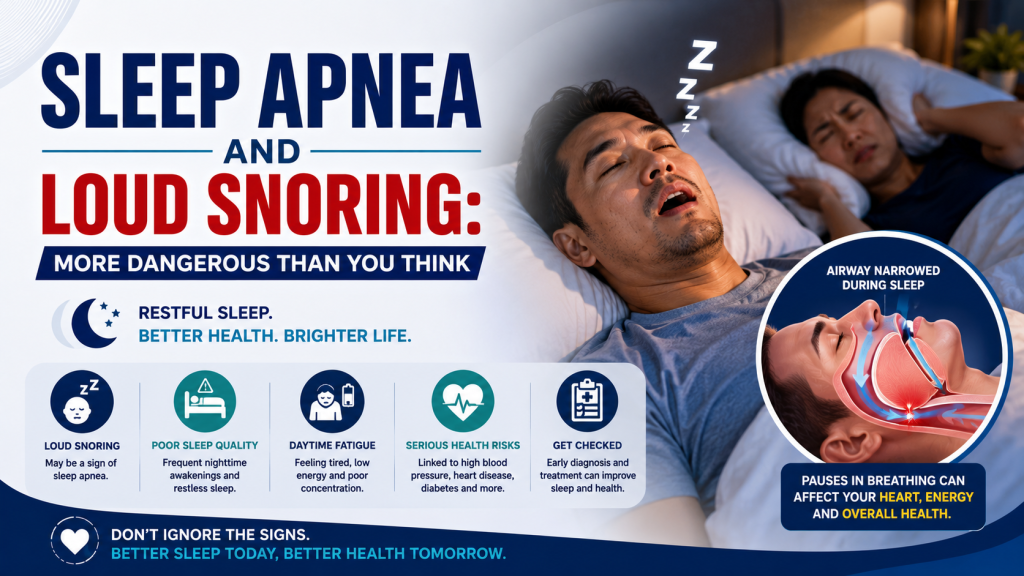
Sleep Apnea and Loud Snoring: More Dangerous Than You Think

Loud snoring is often considered harmless, but it may be linked to Obstructive Sleep Apnea (OSA), a condition where breathing repeatedly stops during sleep due to airway blockage. This leads to poor sleep quality and reduced oxygen levels. OSA is commonly underdiagnosed, with many individuals only noticing symptoms. If left untreated, it may increase the risk of serious health conditions.

Read More
June, 2026

Men’s Health Month and Preventive Healthcare Awareness

Men’s Health Month highlights the importance of preventive healthcare, regular health screenings, and healthy lifestyle choices in supporting long-term wellbeing. Many common health conditions affecting men, including heart disease, diabetes, prostate-related conditions, obesity, and mental health concerns, can develop gradually without obvious symptoms. Routine medical check-ups help reduce health risks.

Read More